




How to Clean a Front-Load Washer From the Door Seal to the Filter
Cleaning a front-load washer means more than just cleaning the drum. Learn how to clean the door seal, detergent drawer, wash tub, and drain pump filter.
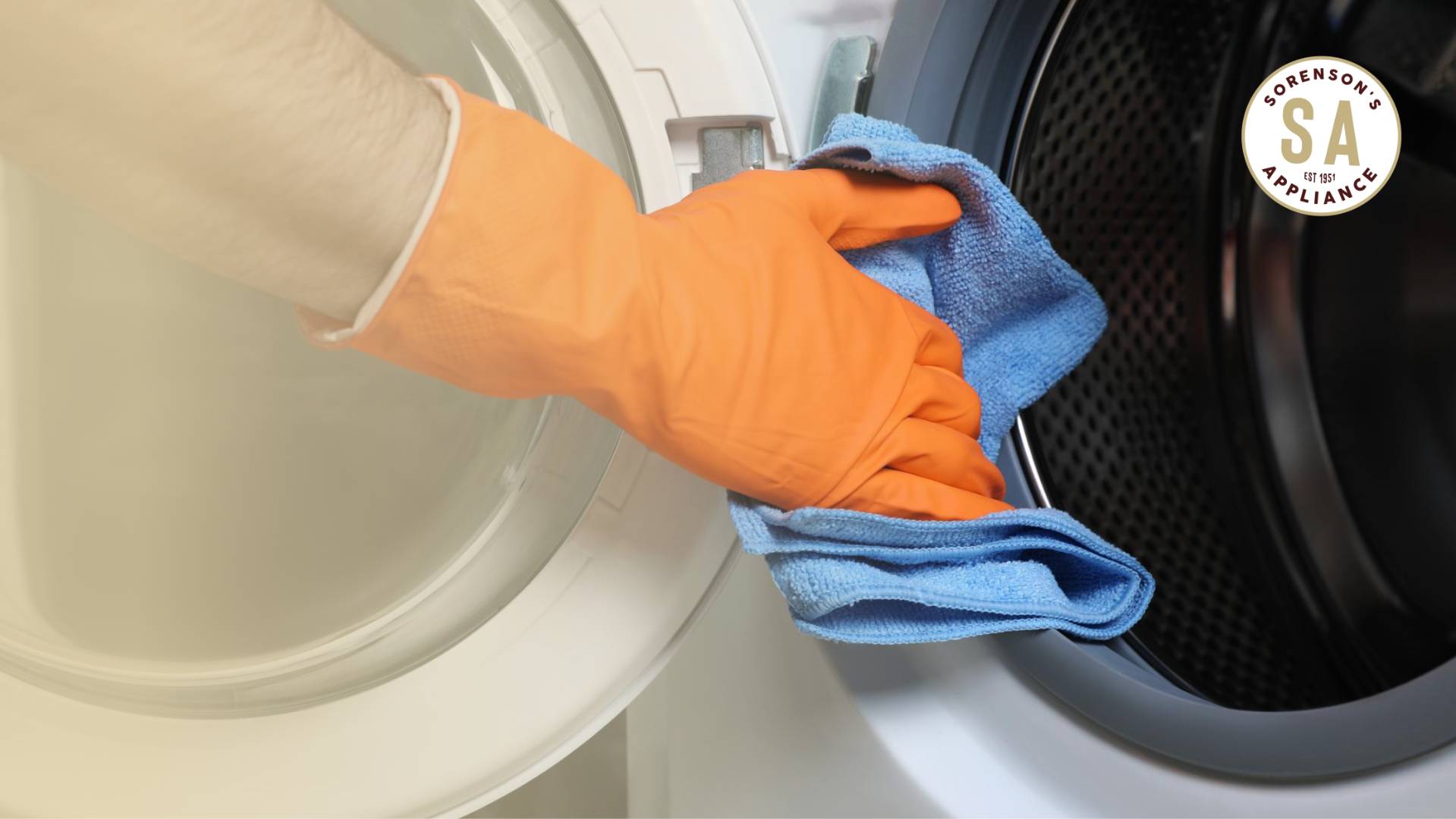

Have you noticed a damp smell when you open your front-load washer, even after running a wash cycle? If you’re wondering how to clean a front-load washer, it helps to know where buildup tends to collect.
Moisture and residue often hide in the rubber door seal, detergent drawer, drum, and drain filter, especially when those areas stay damp between loads.
A thorough cleaning can remove the buildup causing the odor, while a few small changes after each load can help the washer dry out properly.
Before starting, remove everything from the washer. Check the drum, rubber seal, and detergent drawer for small items, lint, or leftover residue.
You only need a few supplies:
- A microfiber cloth
- Warm water and mild dish soap
- An old toothbrush
- Washer cleaner recommended by the owner’s manual
Use bleach only if the manual allows it, and never mix it with vinegar, ammonia, or another cleaner. Once the washer is empty, move on to the rubber door seal.
1. Clean the Rubber Door Seal
The rubber seal can trap moisture, lint, hair, and detergent residue. Clean it this way:
- Gently pull the seal back and check the inner folds, especially along the bottom.
- Remove any lint, hair, or debris from the folds and drainage openings.
- Wipe the seal with warm water and mild dish soap.
- Use an old toothbrush for stubborn residue.
- If dark stains remain, use diluted bleach only if the owner’s manual allows it.
- Wipe the area with a damp cloth.
- Dry the folds and surrounding door frame completely.
Wipe quickly every few loads to prevent moisture and residue from building up again.
2. Clean the Detergent Drawer
Detergent, fabric softener, and hard-water minerals can leave sticky residue inside the drawer. That buildup may cause odors or stop water from flowing properly.
- Remove the drawer as directed in the owner’s manual. Release tabs and drawer designs vary by model.
- Take out any removable inserts or fabric-softener caps.
- Soak the pieces in warm, soapy water for about 10 minutes.
- Scrub each compartment with a soft brush or old toothbrush.
- Rinse everything and dry it completely.
- Wipe the empty drawer opening, including the top, sides, and spray area.
- Slide the dry drawer back into place.
Once the drawer is clean, tackle the washer drum next.
3. Run the Washer-Cleaning Cycle
The drum may look clean, but residue can still remain in parts you can’t reach by hand. A Tub Clean, Clean Washer, or similar cycle helps rinse that buildup away.
- Add a washing machine cleaner to the empty drum, following the product and owner’s manual instructions.
- If the manual allows bleach, add it to the correct dispenser compartment.
- Select the Tub Clean or Clean Washer cycle.
- If your washer doesn’t have one, follow the manual’s instructions for running an empty maintenance cycle.
- Don’t add clothes or regular laundry detergent.
- When the cycle ends, wipe the door glass and drum with a clean, dry cloth.
- Leave the door open to let the inside dry.
Run this cycle as often as the owner’s manual recommends. Once the drum is clean, check the drain filter.
4. Check the Drain Pump Filter
Many front-load washers have an accessible drain pump filter behind a small panel near the bottom front. It catches coins, lint, buttons, and other debris. A clogged filter can slow draining and cause unpleasant odors.
Before opening it:
- Unplug the washer.
- Place towels and a shallow tray under the access panel.
- Open the panel and, if your washer has one, drain the emergency hose first.
- Turn the filter slowly and let any remaining water drain into the tray.
- Remove the filter and clear away lint, coins, and other debris.
- Rinse the filter under running water and scrub off any residue.
- Reinsert the filter securely, replace the hose cap, and close the panel.
Filter locations and removal steps vary, so check the owner’s manual first. If the filter is clear but the washer still won’t drain, read the guide to washer drain and spin problems.
What to Do After Deep Cleaning Your Washer
Once the washer is clean, a few simple habits can help keep moisture and residue from building up again:
- Remove clothes soon after the cycle ends.
- Wipe the bottom fold of the door seal dry.
- Leave the door slightly open when the washer isn’t running, if the manual allows it.
- Leave the detergent drawer slightly open to dry.
- Use the recommended amount of HE detergent.
- Reduce or skip fabric softener if it leaves residue behind.
If the smell returns after cleaning, or you notice leaks, drain errors, or a damaged door seal, the problem may need more than routine maintenance.
Sorenson’s offers in-house appliance repair for both in-warranty and out-of-warranty products. Contact Sorenson’s Appliance Service or call (507) 256-7766 for help.
If repair no longer makes sense, compare Sorenson’s best washer deals. The catalog includes front-load, top-load, and portable models, so you can compare current prices, capacities, and features before choosing a replacement.